

How To Clean Up A Brass Bed
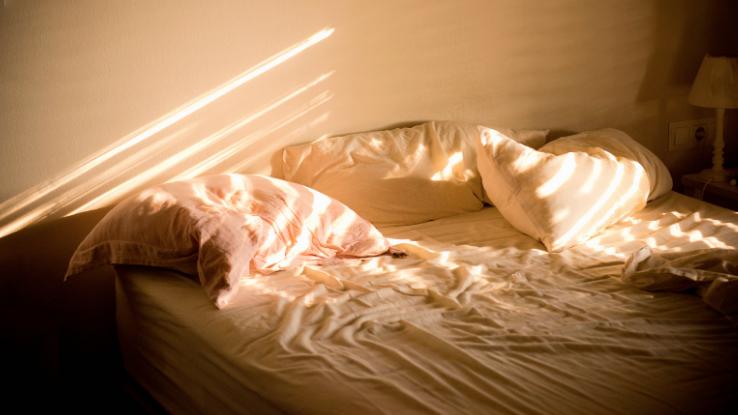
Are you washing your bed sheets every bit frequently as experts recommend? Probably not. According to recent findings, the average person changes their sheets every 24 days or so — or, roughly, every iii weeks. Maybe that seems acceptable to you, and, clearly, you lot wouldn't be lonely. But that doesn't change the fact that unwashed bed sheets are a paradise for microscopic dust mites and other allergens. And so, how frequently should y'all wash your bedding? We're taking a expect at some tips and tricks — and delving into why stretching a set of sheets for that 24-day duration isn't a very good for you idea.
Here'south the thing: If you're simply washing your bed sheets once a month, y'all're not doing it enough. Ideally, you should be washing them every week. (Or, at a minimum, every other week.) If yous're sick or taking care of someone who'due south not feeling well, washing the bed sheets daily is an important step when information technology comes to getting better. Don't forget to wash the sheets in warm water and dry on a high setting to kill whatsoever potential bacteria.
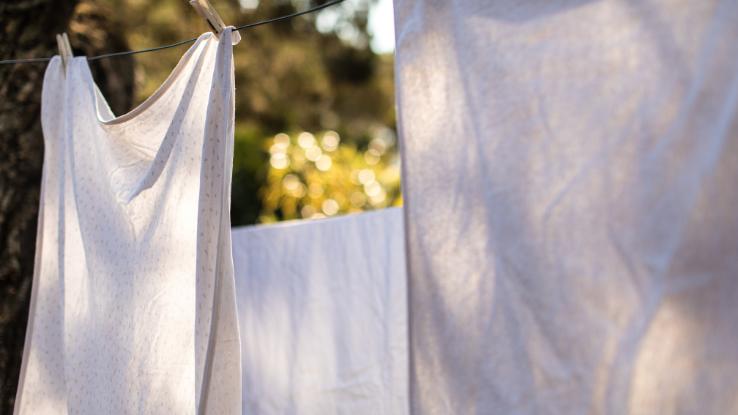
And don't forget nigh your pillow. Yeah, the actual pillow, non just the instance. You may non want to think near it, but pillows tin host mold, yeast, and leaner, which, in turn, can cause weather condition like asthma. Haven't washed your pillow in years? Perhaps this is the time to invest in a new one.
What Lives in Your Sheets?
By now, you've probably checked your sheets to see if anything's there. If you don't see annihilation, you shouldn't experience relief. The affair is, you won't exist able to discover anything without the aid of a microscope, which can magnify all those small, white spider-like creatures that call your bedding dwelling house. Known as dust mites, these pests are invisible to the naked center, but they're around. The all-time way to go along them nether control? Wash your sheets regularly in hot water. If y'all don't, you might develop allergies or inadvertently weaken your allowed arrangement.
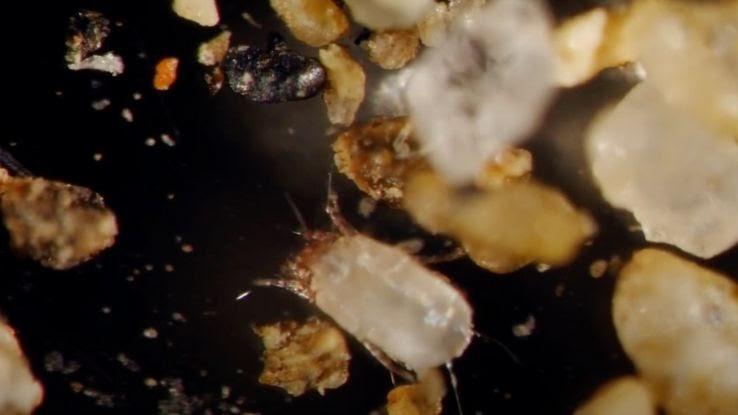
Of course, dust mites aren't the only things residing in your sheets. Dead skin cells are an unavoidable contaminant since our bodies shed a million peel cells every unmarried day. To make things worse, these cells actually attract dust mites. Additionally, most sheets are dirtied by natural oils that your body produces and, of grade, sweat. For those of us who enjoy a midnight snack, in that location might even be some crumbs dotting the bed sheets.
A Guide to Washing Your Bed Sheets
Already planning your side by side washing? Luckily, there are plenty of ways yous tin can clean each piece of bedding to keep things fresh, clean and dust mite-free. Recall: It's always of import to follow the manufacturer-provided instructions, but these tips might aid take things to the side by side level.
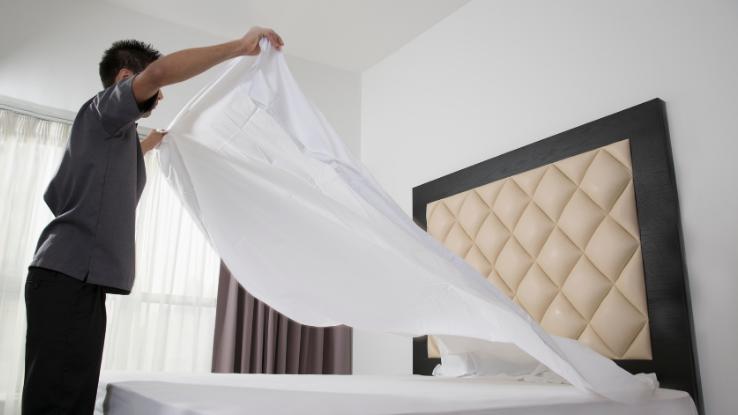
Bedsheets:
- If paw-washing, your bed sheets should be washed in hot, soapy h2o.
- Make sure yous don't wash them with clothes as this may cause damage or lead to pilling.
- If yous spot a stain, try to accept care of it before the washing process begins.
- Need to brighten upwards white sheets? Add together a quarter of a cup of lemon juice before washing with warm water.
- When using a dryer, try a medium or low setting since loftier heat might harm the fibers.
- Fun fact: The best style to prevent your sheets from stretching out is to brawl them up when you put them in the washer.
Blankets:
- Depending on your blanket fabric, you may need to pay attention to the instructions provided past the manufacturer. Generally, your wool blankets should only be washed in cold h2o and put on a low spin setting one time in the dryer.
- Never wash your electric blankets or weighted blankets in a machine — for obvious reasons.
- Don't have time for a proper wash? Try vacuuming your blankets.
- To avoid further harm, mend any rips and tears before washing your blanket.
Comforters & Bedspreads:
- Comforter washing is a bit complicated. You should always test the comforter for colorfastness commencement past dipping a corner into a fleck of the detergent. If the color bleeds, have it dry-cleaned instead.
- Your comforters or bedspreads may require special care that your regular washing automobile isn't able to provide every bit well. Consider cleaning them in a commercial washer and dryer instead.
- If you've decided to wash your comforter at home, you lot should practice and so in cold h2o and on depression heat. If possible, let the washed bedspread air dry on a clothesline.
Quilts:
- Quilts are just as delicate equally comforters and should be washed in the aforementioned way.
- It'due south ever best to hand launder quilts that are old and frail.
- Never wash silk or velvet quilts.
Pillowcases:
- Pillowcases should be auto-washed in cold water and dried on a cool setting.
- Call back to fluff your pillows daily to get rid of dust and dead skin cells.
- You should air out your pillows frequently past hanging them on a clothesline — or, if yous don't have a clothesline, leave them near an open window.
Resource Links:
- "You may not believe how long people await to change their sheets" via MediaFeed.org
- "How Often Should Y'all Really Wash Your Sheets? Our Cleaning Expert Weighs In" via Good Housekeeping


Source: https://www.symptomfind.com/health/washing-bed-sheets-guide?utm_content=params%3Ao%3D740013%26ad%3DdirN%26qo%3DserpIndex
Posted by: swilleytheares.blogspot.com
0 Response to "How To Clean Up A Brass Bed"
Post a Comment